
The Problem
Duolingo entered a category where the biggest challenge wasn't acquisition. It was retention. People wanted to learn languages, but few wanted to study consistently enough to become fluent. The reward was too far away, and motivation eventually faded.
So Duolingo focused on one question: how do you make someone come back tomorrow?
01. Make progress feel immediate
The first answer was gamification. Duolingo broke learning into tiny lessons and surrounded them with XP, levels, rewards, quests and leaderboards. Instead of waiting months to feel like they were improving, users got a small sense of achievement every time they opened the app. Then came the streak. A single day of learning became part of a growing number that users didn't want to lose. The psychology shifted from wanting to gain something to not wanting to lose something. That made consistency feel personal.
02. Turn the habit into a loop
Once users had something worth protecting, Duolingo kept reinforcing the behaviour. Notifications reminded them when they were about to break their streak. Widgets kept the app visible. Milestones celebrated progress, while achievements and streaks gave users something worth sharing.
03. Give the habit a personality
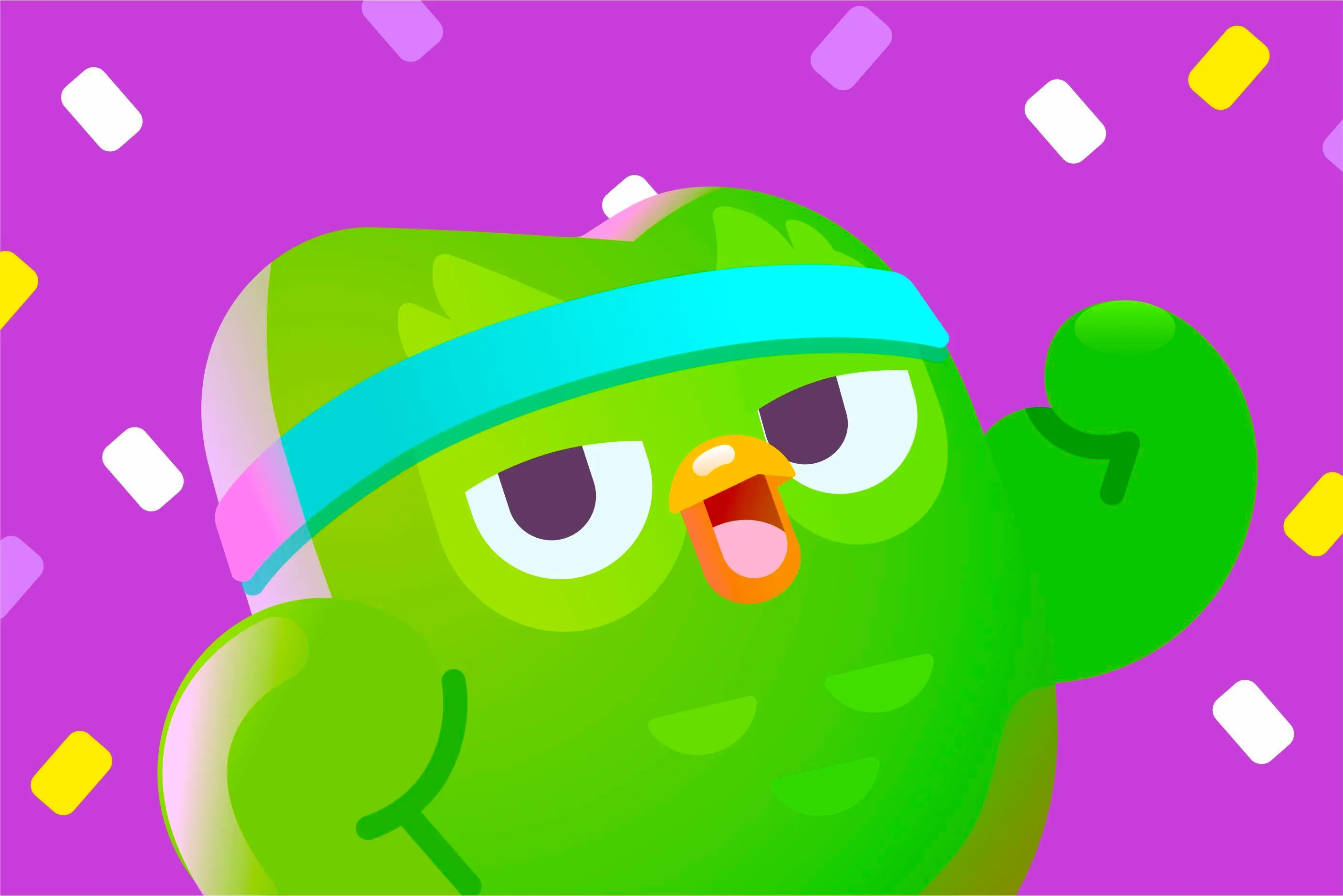
Duo had always been Duolingo's mascot, but social media gave the character a much bigger role. The brand leaned into the internet's version of Duo: dramatic, chaotic and obsessed with keeping users on their streaks. Instead of behaving like a traditional education brand, Duolingo started speaking the language of the platforms it was on: memes, trends, humour and pop culture.
04. Turn attention into entertainment
Once people recognised Duo as a character, Duolingo could create content that worked even if you had no interest in learning a language. That changed the brand's relationship with social media. TikTok wasn't simply a place to promote the app. It became a place where Duo could exist as entertainment. The same idea grew into bigger campaigns. The 2024 Super Bowl campaign turned Duo into a cultural moment, while the 2025 "Death of Duo" campaign turned a fictional event into a social-media storyline that people followed and discussed. Duolingo had reached a point where the brand itself was content.
The Takeaway
01. Build the habit before you build the hype.
Duolingo didn't begin with viral marketing. It first understood what stopped people from learning consistently, then designed the product around that behaviour. The social success came later.
02. Give people something to care about.
A streak is just a number, but Duolingo made losing it feel like losing progress. The lesson is to turn an otherwise ordinary product behaviour into something emotionally meaningful.
03. Let your brand have a personality
Duo became more than a mascot because Duolingo gave him a distinct voice and let him behave like a real character. That gave the brand something people could recognise, remember and engage with beyond the product itself.
04. Make your audience part of the marketing.
Duolingo didn't force every conversation. It listened to the jokes, memes and behaviour already happening around the brand, then built on them. When the audience helps shape the brand, marketing becomes much easier to spread.
05. Make marketing worth consuming.
Duolingo's social content doesn't feel like an ad for a language app. It feels like entertainment that happens to come from Duolingo. That's why people follow the brand even when they aren't looking to learn a language.