
The Approach
Stanley had been around since 1913, known mostly for tough, practical drinkware built for the outdoors. Then, in 2016, it launched the 40-ounce Quencher. It was a good product - big, insulated, had a straw and, importantly, fit into a car cup holder but it wasn't really selling. By 2019, Stanley had stopped prioritising it. Then something unexpected happened. Ashlee LeSueur from The Buy Guide, a women-led lifestyle platform, discovered the Quencher and started recommending it to her audience. Her followers loved it too, and when Stanley agreed to let The Buy Guide buy 5,000 cups wholesale, they sold out in about four days. They bought another 5,000. Those were gone in an hour. Suddenly, Stanley had a very interesting problem: the people who understood the Quencher best weren't the people Stanley had been marketing it to.
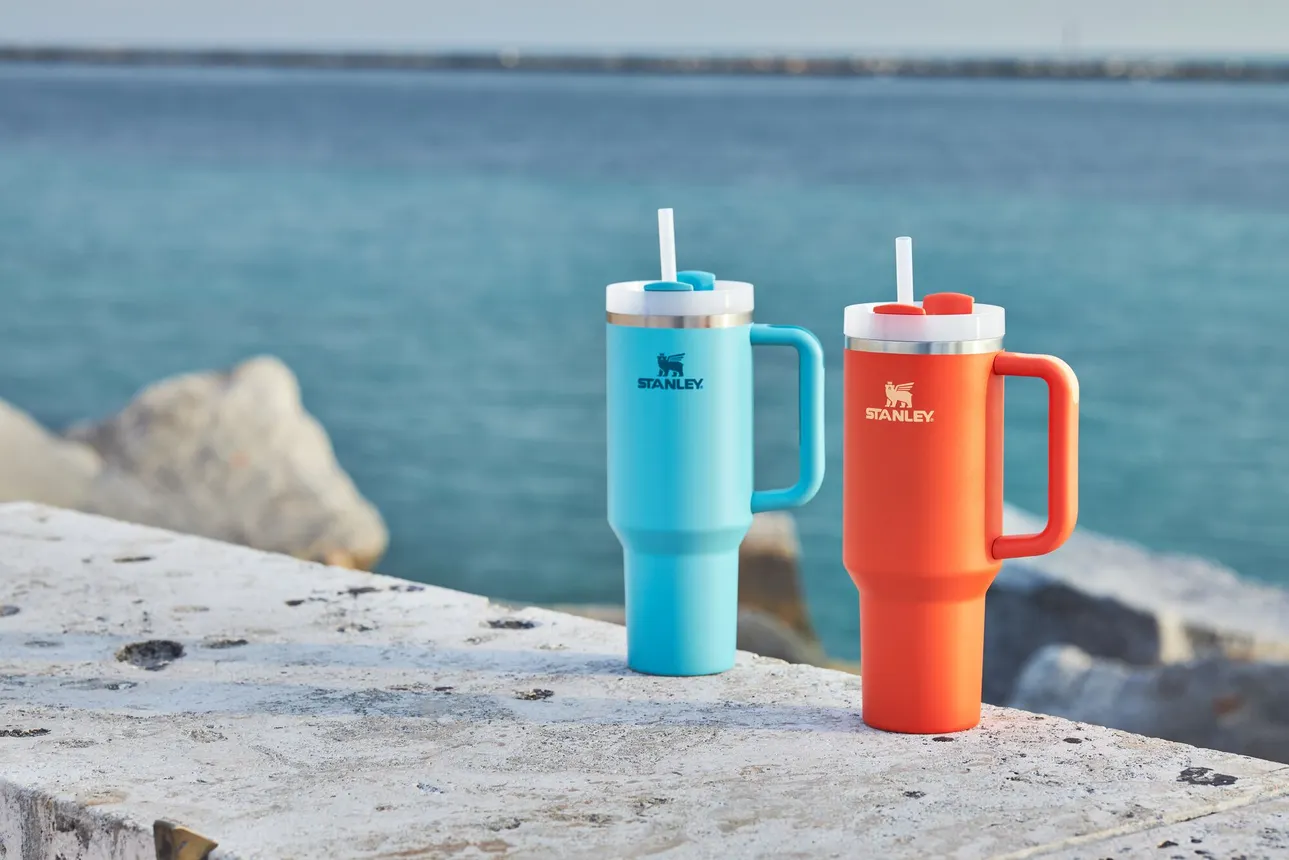
That changed the way Stanley looked at the product. When Terence Reilly joined as president in 2020, he had already seen how powerful community and influencer culture could be at Crocs. Stanley started working closely with The Buy Guide and shifted the Quencher from an occasional-use outdoor product to an everyday lifestyle product. The product itself barely needed changing. What changed was everything around it, more colours, lifestyle imagery, influencers and an affiliate strategy that essentially let women sell Stanley to other women. The cup started showing up in offices, cars, gyms and homes, and its colours became almost as important as its functionality. You didn't just own a Stanley because it kept your drink cold. You could pick one that matched your personality, your outfit or your aesthetic. By 2020, the Quencher had become Stanley's best-selling product.
Then Stanley figured out how to keep the attention going. New colours, limited editions and collaborations turned the Quencher into something people could collect rather than simply buy once. Social media amplified every drop, every new colour and every unboxing, creating a cycle where people didn't just see Stanleys online; they saw other people wanting them. And then came the moment that perfectly captured what the brand had become. In late 2023, a TikTok showed a woman's Stanley sitting inside her burned-out car, still intact with ice inside. Instead of giving the viral moment a standard corporate response, Reilly jumped onto TikTok himself and offered to replace both her Stanley and her car. The response became another viral hit. At that point, Stanley had gone far beyond selling drinkware. It had a recognisable product, a community around it and a constant stream of stories that people actually wanted to share.
The Takeaway
Sometimes, the audience you’re looking for is already right in front of you. Stanley never planned for the Quencher to become a lifestyle product for women. That audience found the product first and showed Stanley a completely different way to see it. Instead of brushing it off, Stanley paid attention, understood what was working, and built the brand around it. They found an audience they never knew they had, and made the most of it.